 CN
 EN
 DE
 ES
 FR
 IT
 PT
 JA
 KO
 AR


Nonwoven fabrics are used in packaging, agriculture, furniture, filtration, hygiene, and many industrial products. However, the term “nonwoven” does not describe one fixed set of properties. Two nonwoven fabrics can look similar while behaving very differently during handling, converting, or use.
Material selection, fiber structure, web formation, bonding, and finishing all influence performance. A fabric may be designed for softness, strength, permeability, absorbency, stiffness, or dimensional stability, depending on its intended function.
This guide explains the main nonwoven fabric properties, why they matter, and what to verify before approving a material for a specific application.

Nonwoven fabrics are engineered fibrous materials formed and consolidated without the conventional interlacing used in weaving or the loop formation used in knitting. Their properties depend on how the fibers and the overall structure are selected and processed.
Different production routes can create different combinations of appearance, strength, bulk, and functionality. Spunbond, meltblown, spunlace, and needle-punched materials should not be treated as interchangeable simply because they are all nonwovens.
Even within one production route, differences in raw material, fiber characteristics, bonding, and finishing can change performance. Selection should therefore begin with the finished product’s requirements rather than a general statement that a fabric is “high quality.”
Basis weight is the mass of fabric per unit area, commonly expressed in grams per square meter, or GSM. It is useful for specifying material consumption and monitoring production consistency.
However, GSM is not a complete performance specification. Fabrics with the same basis weight can differ in strength, thickness, permeability, softness, and surface appearance.
Thickness describes the distance between the fabric surfaces under defined measurement conditions. Because some nonwoven structures compress under load, the measurement method and applied pressure can affect the result.
When comparing samples, use an agreed method and consistent conditions. A visual impression that one fabric is thicker does not establish its measured thickness or functional value.
An acceptable average GSM or thickness can conceal local differences. Sample across the fabric width and along the roll according to an agreed inspection plan.
Uniformity can matter during printing, coating, lamination, cutting, and other converting operations. Record individual results as well as summary values.
Tensile strength describes resistance to breaking under a specified pulling test. Test direction matters because fiber orientation can produce different behavior in the machine direction and cross direction.
For applications involving lifting, tension, or converting, define which directions and loading conditions are relevant. Do not compare strength values without checking the test method and specimen conditions.
Elongation describes how much a sample extends under the specified test. A fabric that stretches readily may behave differently during unwinding or assembly from one that remains relatively dimensionally stable.
More elongation is not automatically better. The required balance depends on whether the product needs flexibility, shape retention, or resistance to distortion.
Tensile strength alone does not establish resistance to tearing, puncture, or surface wear. A packaging material, industrial cover, or reinforcement layer may need additional tests that reflect the damage it is likely to experience.
Where a finished product includes seams, handles, perforations, or bonded joints, evaluate those features as well. Fabric strength does not automatically guarantee finished-product strength.
Air permeability describes airflow through a defined area of fabric under specified conditions. It can be relevant to covers, filter structures, and other products where airflow matters.
Compare permeability results using the same method, pressure difference, units, and conditioning requirements. Results from different test conditions should not be treated as directly interchangeable.
A material intended to absorb liquid has different requirements from one intended to resist liquid penetration. Fiber material, structure, surface treatment, and product construction can influence both behaviors.
Specify the required function clearly. The word “nonwoven” does not establish that a material is absorbent, water-repellent, or waterproof.
Air permeability does not establish particle-filtration efficiency, liquid-barrier performance, or a protective classification. These functions require the relevant application-specific evaluation.
For medical or protective products, material selection is only one part of qualification. The complete product and applicable requirements must also be considered.
Softness can be important for products that contact skin or require flexible handling. Stiffness may be useful where shape retention, converting, or structural support is required.
Neither property is universally preferable. A fabric that feels soft in the hand may not provide the support required by a pleated or laminated structure.
Surface consistency, cleanliness, visible defects, and finish can matter during printing, coating, bonding, and lamination.
Evaluate representative samples using the intended inks, adhesives, coatings, or companion materials. A visually attractive sample does not prove compatibility with every downstream process.
Dimensional stability describes how well a material maintains its dimensions under specified conditions. Relevant conditions may include heat, moisture, tension, or other application-specific exposure.
Define the temperature, duration, loading, and measurement procedure before comparing samples. A general claim of “heat resistance” is not enough to approve a fabric for a particular process.
For coating, lamination, pleating, or assembly, test the fabric under representative operating conditions. Observe shrinkage, distortion, bonding behavior, and any resulting effect on the finished structure.
| Property | What It Describes | What to Verify | Common Misunderstanding |
|---|---|---|---|
| Basis weight | Mass per unit area | Target GSM and allowed variation | Higher GSM always means better performance |
| Thickness | Measured distance between fabric surfaces | Method, pressure, and sample consistency | Visual bulk is the same as measured thickness |
| Tensile strength | Resistance to breaking under a specified pulling test | Method, direction, and relevant product loads | One strength result predicts every type of damage |
| Air permeability | Airflow through fabric under defined conditions | Pressure difference, units, and application needs | Permeability proves filtration efficiency |
| Liquid behavior | Absorption, repellency, or penetration behavior | The specific liquid-related function required | All nonwovens are absorbent or waterproof |
| Softness and stiffness | Handling and bending behavior | Suitability for contact, support, and converting | Softer material is always preferable |
| Dimensional stability | Dimensional change under defined exposure | Conditions representative of processing or use | The polymer name guarantees stability |
| Surface compatibility | Suitability for printing, coating, or bonding | Trials with the actual downstream materials | Similar-looking fabrics convert identically |
Application names provide a starting point, not a complete specification. A shopping bag, agricultural cover, furniture lining, and filter support can each require a different combination of properties.
| Application | Properties to Prioritize | Practical Validation |
|---|---|---|
| Shopping bags and packaging | Strength, uniformity, surface appearance, and converting behavior | Printing, cutting, joining, and finished-product load trials |
| Agricultural covers | Application-specific permeability, strength, and environmental durability | Tests matched to the intended exposure and service period |
| Furniture and mattress materials | Handling, strength, surface consistency, and assembly compatibility | Trials in the actual cutting and assembly route |
| Filtration support | Permeability, strength, dimensional stability, and bonding compatibility | Substrate tests, converting trials, and complete-filter evaluation |
| Hygiene and protective products | Application-specific softness, liquid behavior, barrier, and safety requirements | Relevant material and finished-product testing |
| Industrial covers and composite substrates | Strength, stability, damage resistance, and processing compatibility | Exposure and converting tests appropriate to the intended use |
A sample approval process should connect laboratory results with actual use. Agree on the specification before testing so that acceptance is based on defined requirements rather than subjective impressions.
Applicable test methods may include nonwoven methods in the ISO 9073 series or other customer-specified procedures. Confirm the suitable method and edition with the testing laboratory rather than comparing results solely by their numerical values.
For manufacturers planning in-house fabric production, the finished-fabric specification should guide discussions about material, process route, line configuration, and quality control.
Buyers evaluating general-purpose PP spunbond production for packaging, furnishing, agricultural, or industrial applications can review the YP-S single-beam PP spunbond line for product-level information and configuration discussions. Application suitability should still be verified against the required fabric and finished-product performance.
For PET-based projects with specific downstream performance requirements, review the PET spunbond production line and provide the intended application, fabric targets, converting route, and planned output.
A useful equipment discussion begins with what the fabric must achieve, not only the width, speed, or name of the machine.
Important properties can include basis weight, thickness, strength, elongation, permeability, liquid behavior, softness, stiffness, and dimensional stability. Their relative importance depends on the application.
Not necessarily. Strength also depends on the material, fiber structure, orientation, bonding, and test method. Compare measured performance rather than GSM alone.
No. Liquid behavior depends on the material, construction, treatments, and test conditions. Specify and test the required function rather than assuming waterproof performance.
No. Air permeability measures airflow under defined conditions. Filtration efficiency requires separate evaluation appropriate to the filter and its intended use.
No. Biodegradability depends on the material and the conditions under which it is evaluated. The term “nonwoven” describes a fabric category, not a guarantee of biodegradability or a particular disposal route.
Yes. Differences in material, fibers, structure, bonding, and finishing can produce different strength, thickness, permeability, and converting behavior.
Provide the application, target GSM and width, critical performance requirements, downstream processing conditions, test methods, and any finished-product requirements. This helps make sample comparisons relevant and repeatable.
Nonwoven fabrics offer a wide range of engineered properties, but no single material is suitable for every application. The most useful specification connects measurable fabric characteristics with actual processing and service conditions.
By defining the required function, testing representative samples, and validating downstream performance, buyers and manufacturers can make more informed material and production decisions.
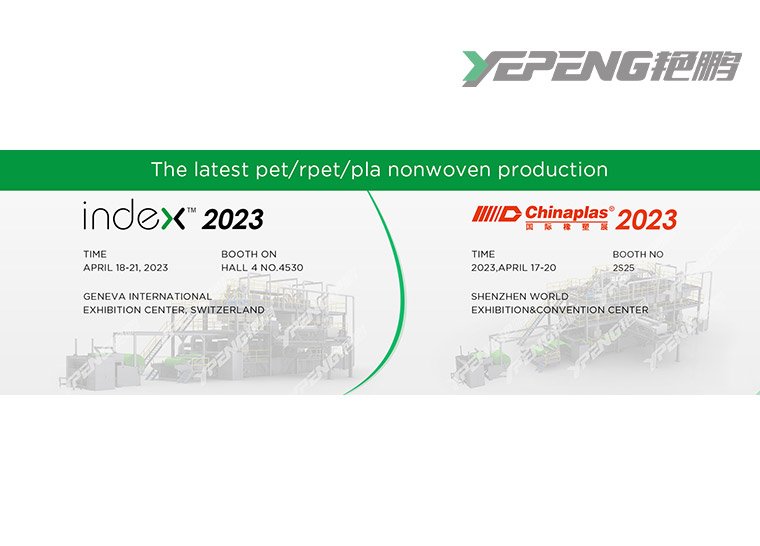
In these two exhibition,we are happy to provide you a turn key solution of nonwoven fabric making project. All the key figures involved in the dynamic field of nonwovens All the geographical regions together in one site
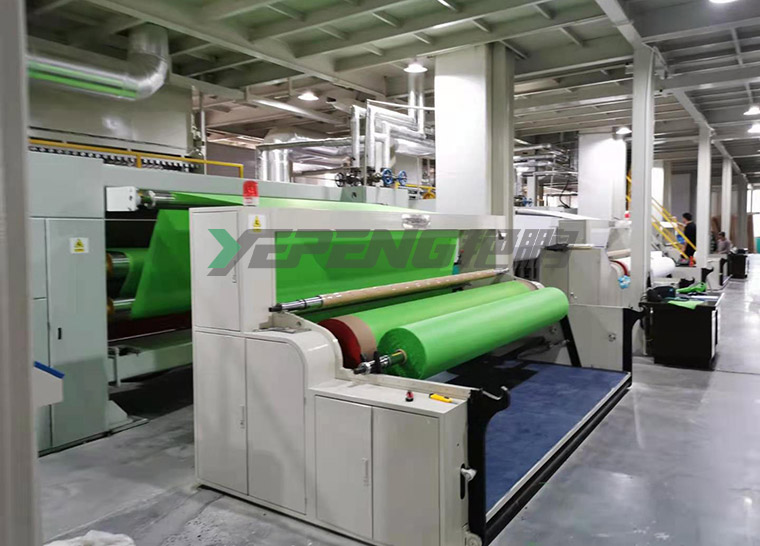
The square meter quality, strength, elongation, hydrostatic pressure, air permeability and width in the technical requirements are factory inspection items The products shall be inspected by the inspection department of the manufacturer and attached with the product certificate before leaving the factory.
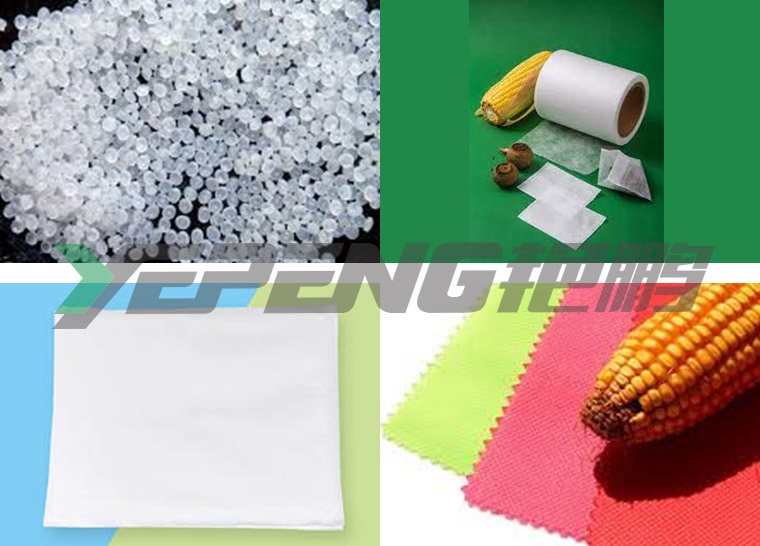
Polylactide, polylactic acid, generally shortened to PLA. PLA biodegradable materials refer to a class of natural microorganisms such as bacteria, molds (fungi) and algae caused by the action of degradation materials.


