 CN
CN
 EN
EN
 DE
DE
 ES
ES
 FR
FR
 IT
IT
 PT
PT
 JA
JA
 KO
KO
 AR
AR


What is a Nonwoven Fabric?
Nonwoven fabrics are broadly defined as sheet or web structures bonded together by entangling fiber or filaments (and by perforating films) mechanically, thermally, or chemically. They are flat, porous sheets that are made directly from separate fibers or from molten plastic or plastic film. They are not made by weaving or knitting and do not require converting the fibers to yarn.
How is a Nonwoven Fabric used?
Beyond simple definitions, these engineered fabrics open up a world of innovative possibilities for all types of industries.
Nonwovens may be a limited-life, single-use fabric or a very durable fabric. Nonwoven fabrics provide specific functions such as absorbency, liquid repellency, resilience, stretch, softness, strength, flame retardancy, washability, cushioning, filtering, bacterial barriers and sterility. These properties are often combined to create fabrics suited for specific jobs while achieving a good balance between product use-life and cost. They can mimic the appearance, texture and strength of a woven fabric, and can be as bulky as the thickest paddings.
Following are just a few of the properties that can be attained using nonwoven fabrics:Absorbency,Bacterial barrier,Cushioning,Filtering,Flame retardancy,Liquid repellency,Resilience,Softness,Sterility,Strength,Stretch,
Washability.
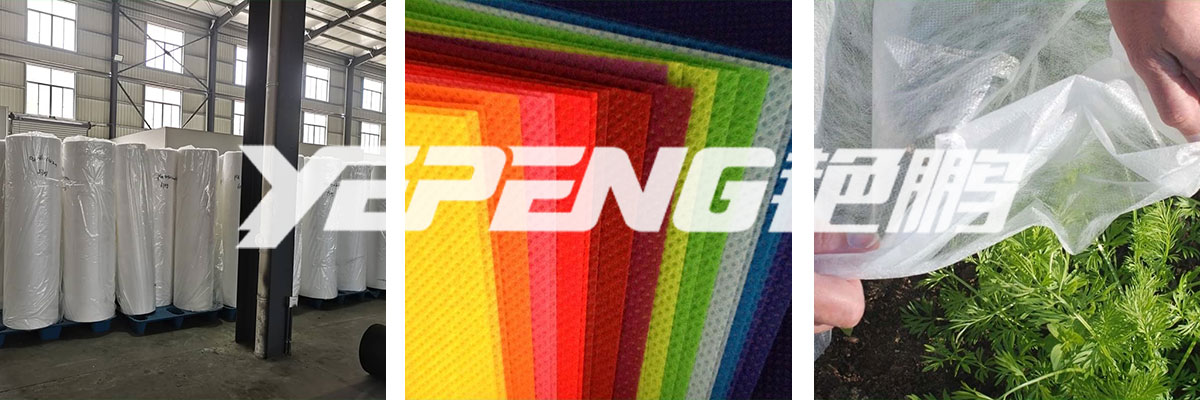
Today, innovations in nonwoven fabrics are growing as rapidly as the demand for them, with almost unlimited possibilities for a wide variety of industries, including:Agricultural coverings,Agricultural seed strips,Apparel linings,Automotive headliners,Automotive upholstery,Carpeting,Civil engineering fabrics,Civil engineering geotextiles,Disposable diapers,Envelopes,Filters,House wraps,Household & personal wipes,Hygiene products,Insulation,Labels,Laundry aids,Roofing,Sterile medical-use products,Tags,Upholstery,Wall coverings.
Nonwoven Markets
Where Other Industries Look to Find a Better Way Forward
If there’s a better way to filter it, a more practical way to upholster it, a more cost-effective way to protect it, or a more sanitary way to wipe it, industries of all types find their answers in nonwoven materials.
From automobiles to apparel, construction to consumer products, health care to heating and air conditioning filtration, nonwovens make innovation possible. Below are just a few of the industries where nonwoven materials have made a big impact on raising quality and lowering cost:Apparel,Automotive /Transportation,Consumer Products,Electronics,Filtration,Furnishings / Bedding,Geotextiles / Construction,Hygiene,Medical / Healthcare,Packaging,Wipes.
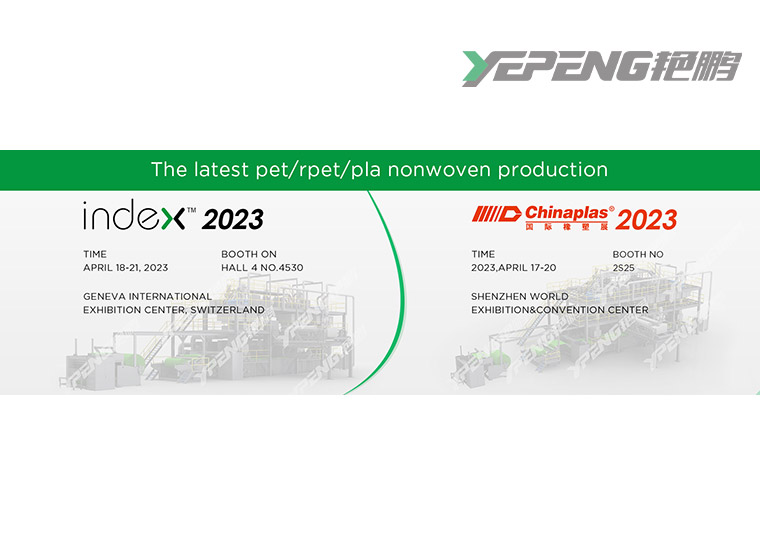
In these two exhibition,we are happy to provide you a turn key solution of nonwoven fabric making project. All the key figures involved in the dynamic field of nonwovens All the geographical regions together in one site
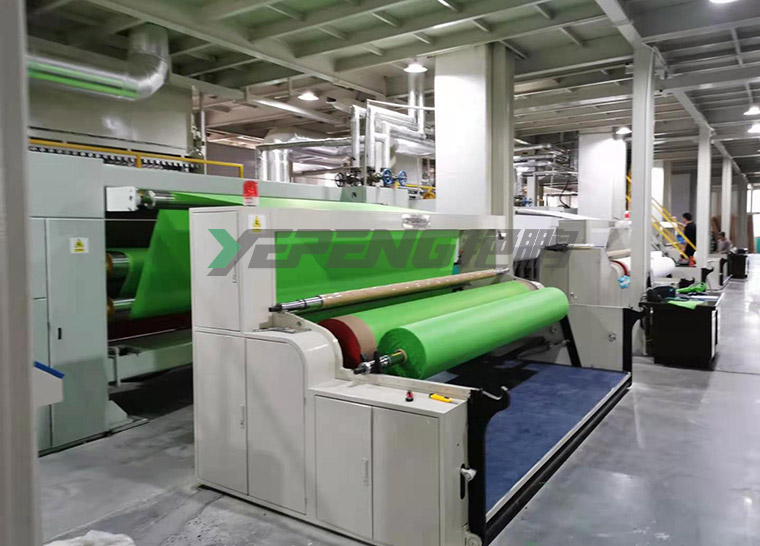
The square meter quality, strength, elongation, hydrostatic pressure, air permeability and width in the technical requirements are factory inspection items The products shall be inspected by the inspection department of the manufacturer and attached with the product certificate before leaving the factory.
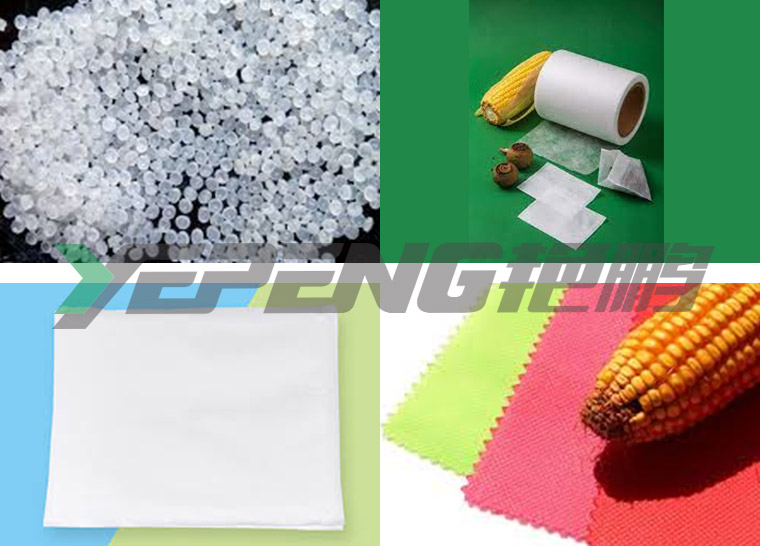
Polylactide, polylactic acid, generally shortened to PLA. PLA biodegradable materials refer to a class of natural microorganisms such as bacteria, molds (fungi) and algae caused by the action of degradation materials.


