 CN
CN
 EN
EN
 DE
DE
 ES
ES
 FR
FR
 IT
IT
 PT
PT
 JA
JA
 KO
KO
 AR
AR


It is suitable for automobile, aviation, food processing, metal processing, mining, oil and natural gas operation. Generally from the head to the shoulder to the body, the cap is connected, and the cuffs and trouser cuffs are tightened.
Protective clothing is required to effectively block the entry of dust and solid particles in the working environment. Easy to wear and not easy to dust. It has strong protection and can block slight splashing in low-risk areas.
This kind of protective clothing is made of SMS non-woven fabric. In the structure of SMS material, the structure characteristics of ultra-fine melt blown fiber layer and high strength spunbonded non-woven layer make the material have certain hydrostatic pressure resistance and air permeability, which form the basic isolation performance of SMS material.
In addition, SMS non-woven fabric also has barrier property, which is used in a variety of protective clothing products, including high and low end medical protective clothing, industrial protective clothing, chemical protective clothing, etc.
II.Medical protective clothing
Medical protective clothing, also known as medical protective clothing, is the work clothes of medical staff, that is, protective clothing for the body of medical workers. It is mainly used to isolate bacteria, harmful ultra-fine dust, acid solution, salt solution, corrosive chemicals and keep the environment clean.(1)Ordinary PP non-woven protective clothing
It is made of PP spunbonded nonwovens, with a weight of 35-60gsm. Features: breathable, dust-proof, not waterproof, good tensile resistance, the difference between the front and back is not obvious. PP spunbonded non-woven fabric is used for general isolation clothing, low-grade isolation clothing and patient clothing.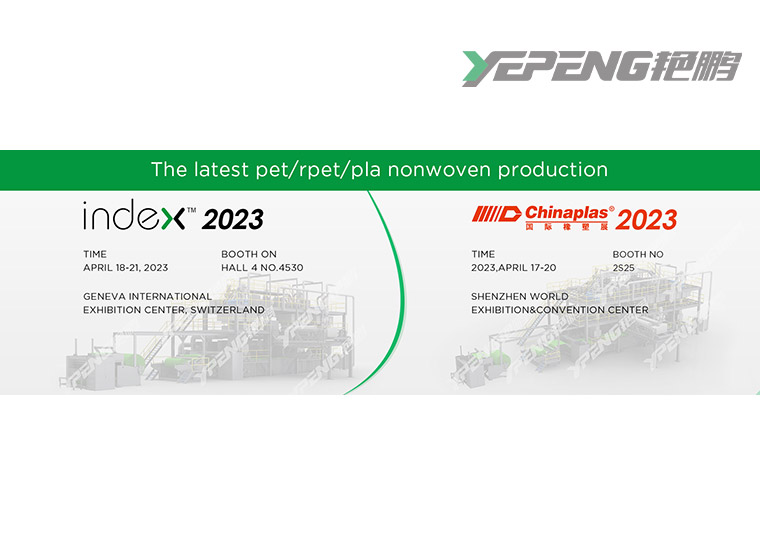
In these two exhibition,we are happy to provide you a turn key solution of nonwoven fabric making project. All the key figures involved in the dynamic field of nonwovens All the geographical regions together in one site
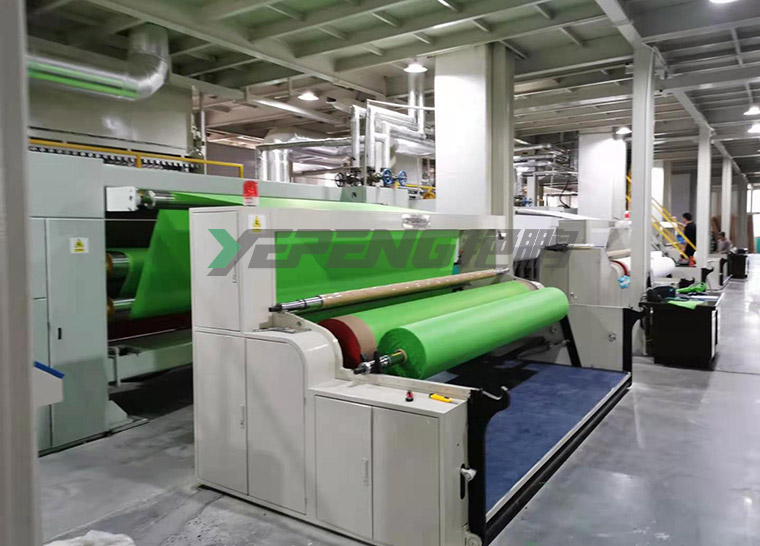
The square meter quality, strength, elongation, hydrostatic pressure, air permeability and width in the technical requirements are factory inspection items The products shall be inspected by the inspection department of the manufacturer and attached with the product certificate before leaving the factory.
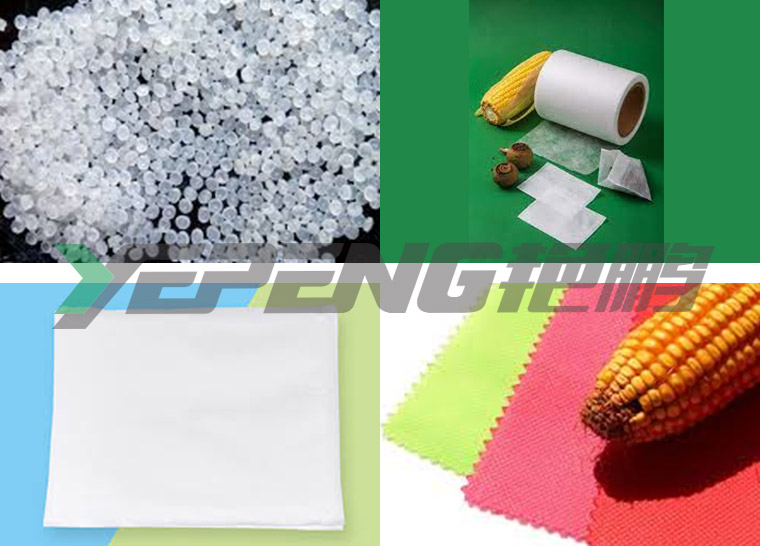
Polylactide, polylactic acid, generally shortened to PLA. PLA biodegradable materials refer to a class of natural microorganisms such as bacteria, molds (fungi) and algae caused by the action of degradation materials.


