 CN
CN
 EN
EN
 DE
DE
 ES
ES
 FR
FR
 IT
IT
 PT
PT
 JA
JA
 KO
KO
 AR
AR


Our company,Zhejiang Yanpeng Nonwoven Machinery Co.,Ltd. makes these explanations and solutions for these situation.Zhejiang Yanpeng Nonwoven Machinery Co., Ltd. is a professional nonwoven machine manufacturer, engaged in the manufacture of non woven machine for many years.
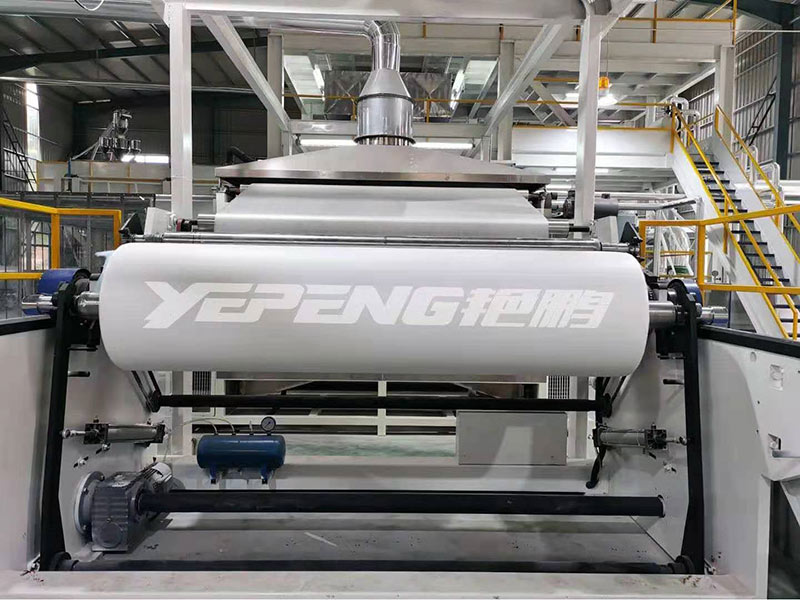
Under the same processing conditions, why the thickness of non-woven fabric is uneven?
(1) Low melting point fiber and conventional fiber mixed unevenly
Different fibers have different cohesive force. Generally speaking, low melting point fibers have larger cohesive force than conventional fibers and are not easy to disperse. If the low melting point fibers are unevenly dispersed, the part with less content of low melting point fibers can not form enough network structure, and the non-woven fabric is thinner. Compared with the place with more content of low melting point fibers, it forms thicker phenomenon.
(2) Incomplete melting of low melting point fiber
The main reason for incomplete melting of low melting point fiber is that the temperature is not enough. For non-woven fabric with low base weight, it is not easy to cause the problem of insufficient temperature. However, for products with high base weight and high thickness, special attention should be paid to whether the temperature is enough. The non-woven fabric at the edge is usually thicker because of sufficient heat. The non-woven fabric at the middle part is easy to form thinner because of insufficient heat,
(3) The shrinkage of the fiber is high
Whether it is conventional fiber or low melting point fiber, if the hot air shrinkage of the fiber is high, it is easy to produce uneven thickness during the production of non-woven fabric due to shrinkage.
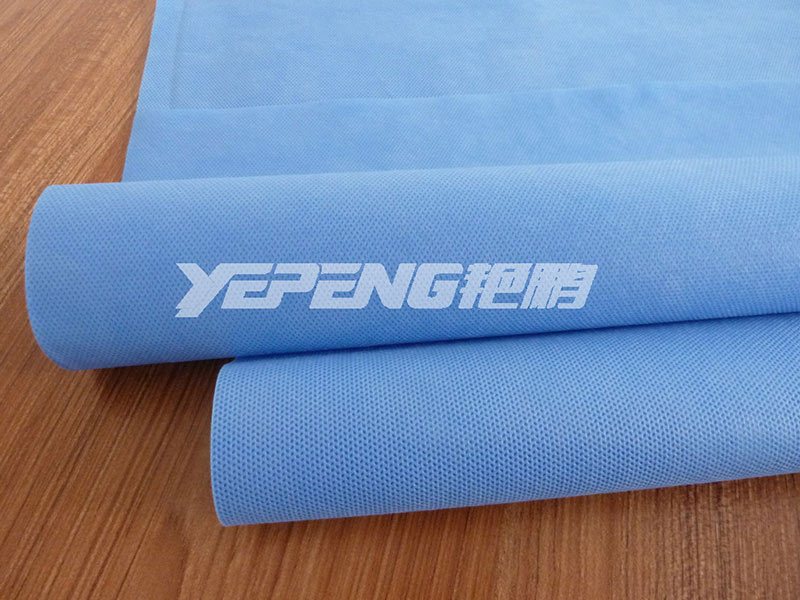 Why is non woven fabric uneven in hardness and softness?Under the same processing conditions, the causes of non-woven fabric unevenness are similar to the above causes. The main reasons may be as follows:
(1) The blending of low melting point fiber and conventional fiber is uneven. The part with high content of low melting point fiber is hard, and the part with low content is soft.
(2) Non woven fabric is soft due to incomplete melting of low melting point fiber
(3) The high shrinkage of fiber will also cause the uneven hardness of non-woven fabric.
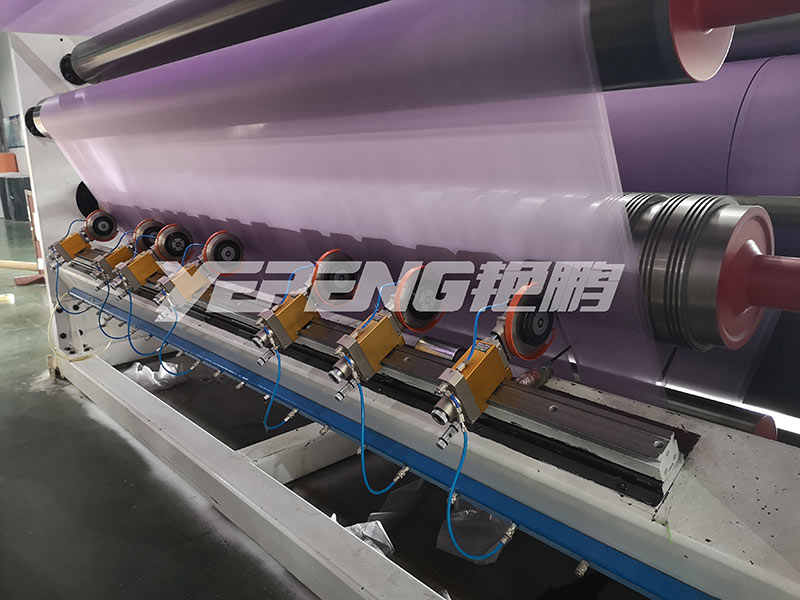
Why is static electricity always generated during the production of nonwoven fabric?
(1)The weather is too dry and the humidity is not enough.
(2)When there is no oil on the fiber, there is no antistatic agent on the fiber. Because the moisture regain of polyester cotton is 0.3%, the lack of antistatic agent results in static electricity during production.
(3) Due to the special molecular structure of the oiling agent, the oiling agent contains almost no water, so it is relatively tolerant and easy to generate static electricity during production. Generally, the smoothness of the hand is proportional to the static electricity, and the more slippery the oiling agent is, the greater the static electricity is.
(4) In addition to the method of preventing static electricity in the production room humidification, feeding cotton stage can effectively eliminate oil-free cotton is also an important work.
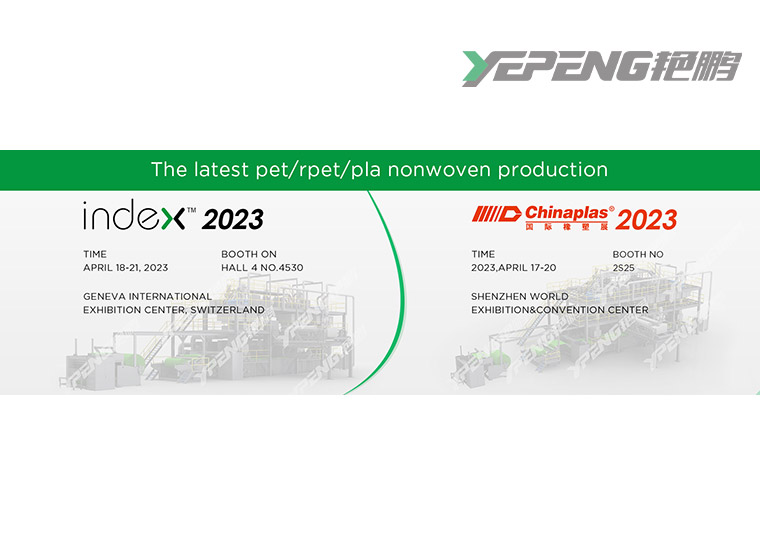
In these two exhibition,we are happy to provide you a turn key solution of nonwoven fabric making project. All the key figures involved in the dynamic field of nonwovens All the geographical regions together in one site
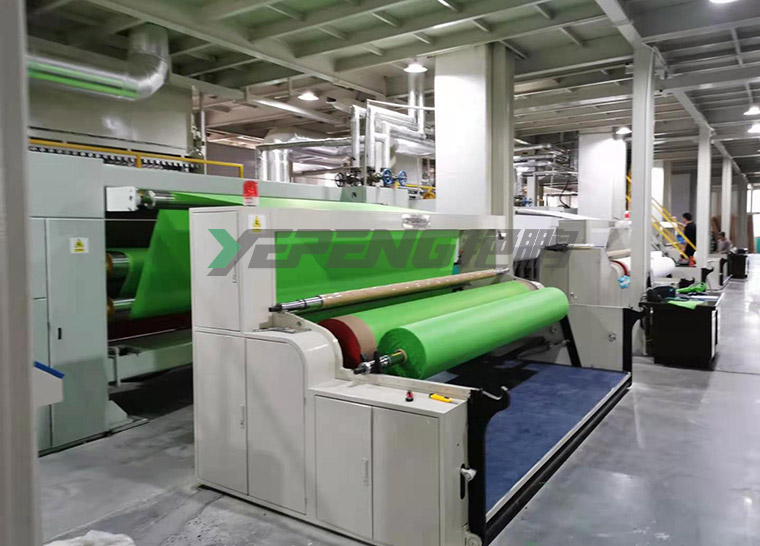
The square meter quality, strength, elongation, hydrostatic pressure, air permeability and width in the technical requirements are factory inspection items The products shall be inspected by the inspection department of the manufacturer and attached with the product certificate before leaving the factory.
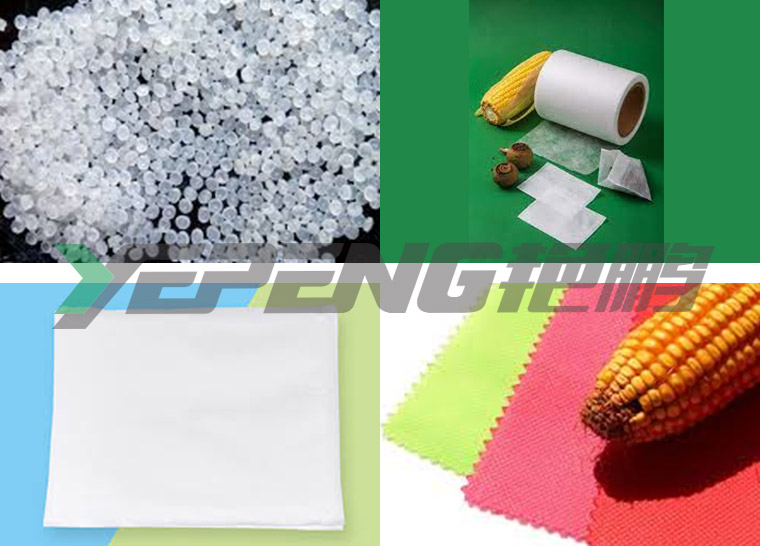
Polylactide, polylactic acid, generally shortened to PLA. PLA biodegradable materials refer to a class of natural microorganisms such as bacteria, molds (fungi) and algae caused by the action of degradation materials.


