 CN
CN
 EN
EN
 DE
DE
 ES
ES
 FR
FR
 IT
IT
 PT
PT
 JA
JA
 KO
KO
 AR
AR


SFS (hot melt adhesive composite): composite products of various films and non-woven fabrics.
The difference between non-woven film coating and film covering, coated non-woven fabric and film covering are developed to make non-woven fabric produce waterproof effect. Due to the different production process, the final effect is not the same.
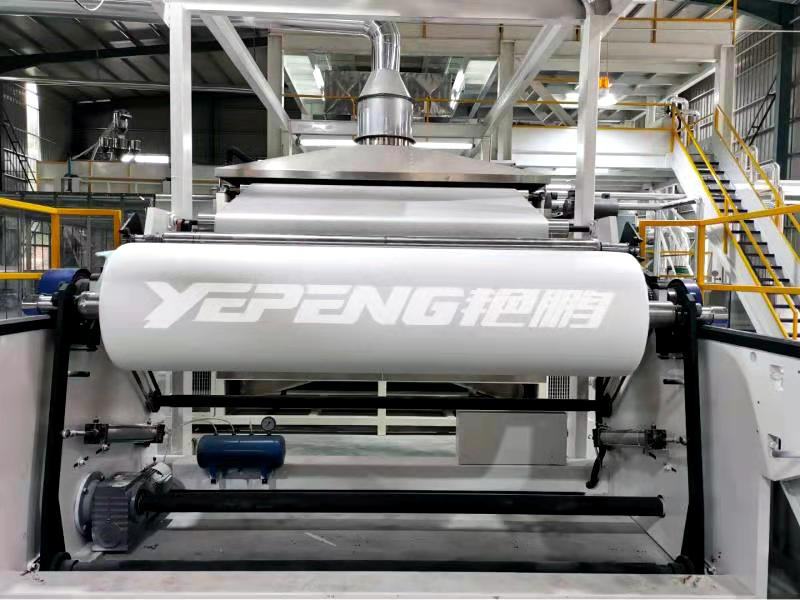
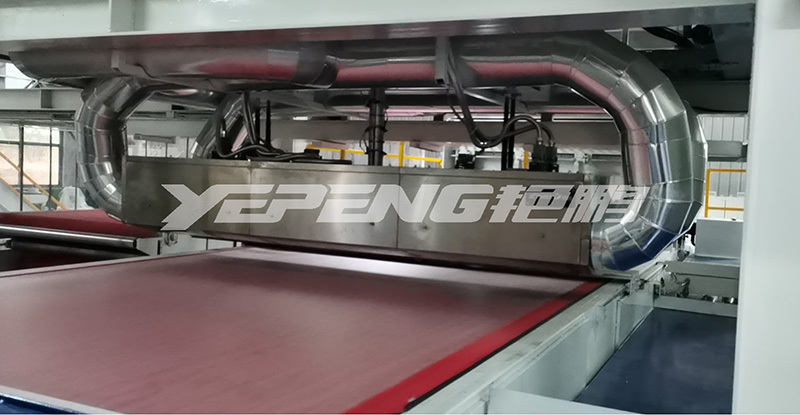
First of all, the coated non-woven fabric is made by melting plastic with equipment and spraying it on the surface of non-woven fabric. The advantages of coated non-woven fabric are fast production speed and low cost. Coated non-woven fabric is produced by PE film and non-woven fabric in high-temperature equipment. The thickness of the two materials can be determined by the raw materials.
Secondly, in terms of color. The coated non-woven fabric is one-time molding of film and non-woven fabric, and the products produced have obvious small pits on the surface. The coated non-woven fabric is a composite of finished products, and its smoothness and color are better than that of coated non-woven fabric.
Third, in the production of plastic film non-woven fabric, the technology cost of adding anti-aging agent to plastics after melting is too high. The commonly used nonwoven fabrics are rarely added with anti aging agents, so that the aging rate is faster when exposed to sunlight. Because the PE membrane used in the peritoneum non-woven fabric has been added to the anti-aging agent before the production, its anti-aging effect is better than that of the nonwoven fabric.
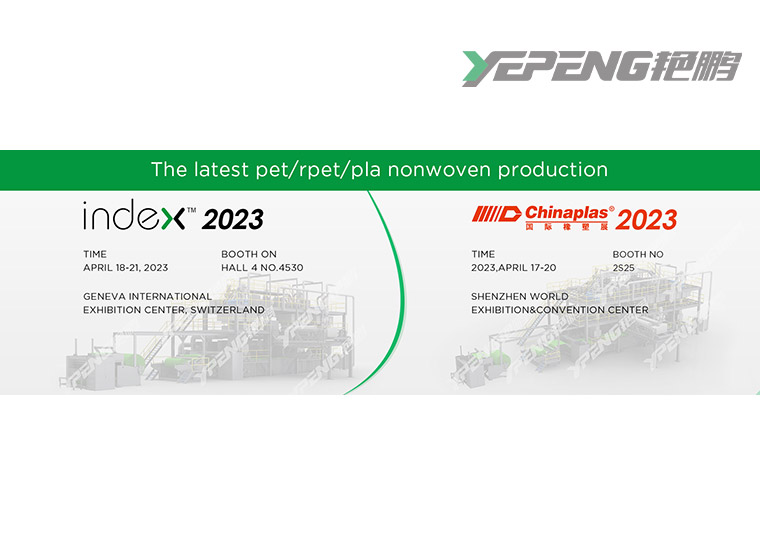
In these two exhibition,we are happy to provide you a turn key solution of nonwoven fabric making project. All the key figures involved in the dynamic field of nonwovens All the geographical regions together in one site
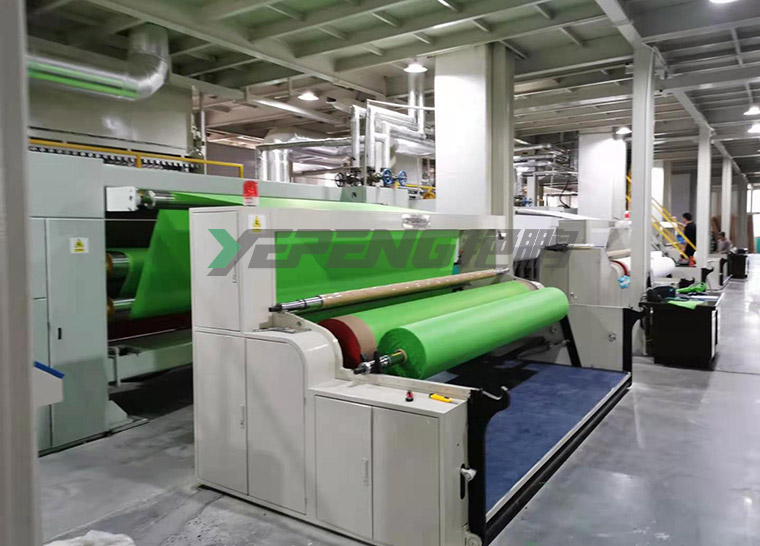
The square meter quality, strength, elongation, hydrostatic pressure, air permeability and width in the technical requirements are factory inspection items The products shall be inspected by the inspection department of the manufacturer and attached with the product certificate before leaving the factory.
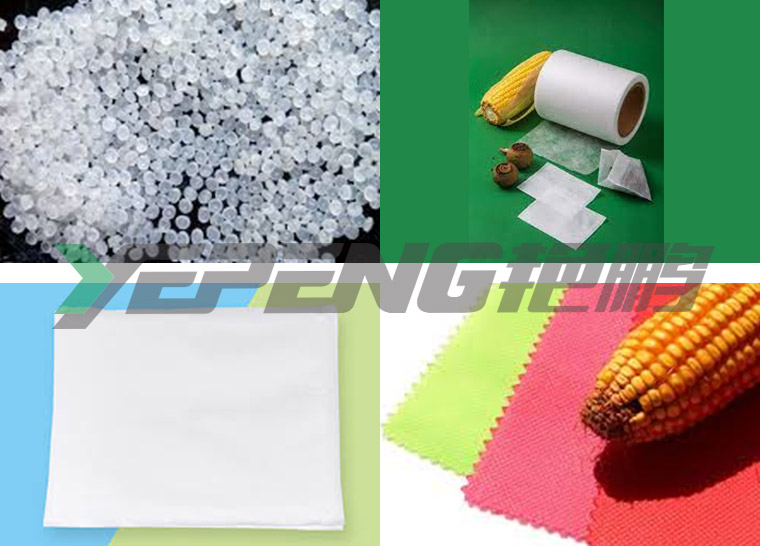
Polylactide, polylactic acid, generally shortened to PLA. PLA biodegradable materials refer to a class of natural microorganisms such as bacteria, molds (fungi) and algae caused by the action of degradation materials.


