 CN
CN
 EN
EN
 DE
DE
 ES
ES
 FR
FR
 IT
IT
 PT
PT
 JA
JA
 KO
KO
 AR
AR


The cloth like covering with good air permeability, moisture absorption and light transmittance has the functions of cold resistance, moisture retention, frost resistance, antifreeze, light transmission and air conditioning, and has the characteristics of light weight, convenient use and corrosion resistance. The thickened non-woven fabric can also be used for multi-layer covering due to its good heat preservation effect.
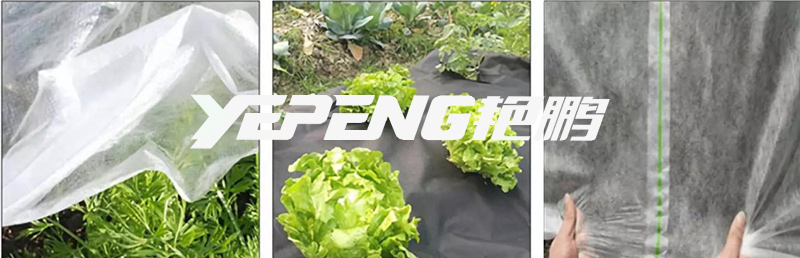
The product weight is generally 17-18-20g, or according to the requirements of customers.
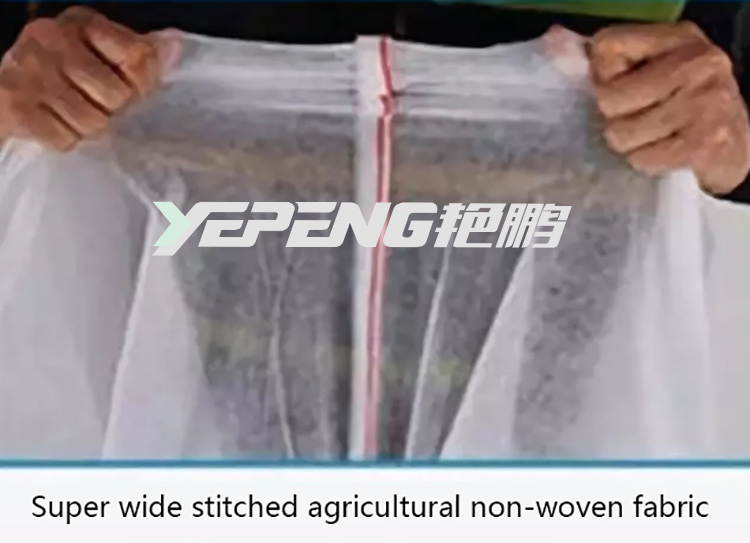
According to the research, the heat preservation effect of non-woven fabric for covering greenhouse is better than that of straw curtain, and it is lighter than straw curtain in weight, convenient in management, and it is expected to realize mechanized or semi mechanized uncovering by splicing non-woven fabric.
Non woven fabrics have been widely used in Japan, the United States, the Netherlands, Canada and other developed countries.
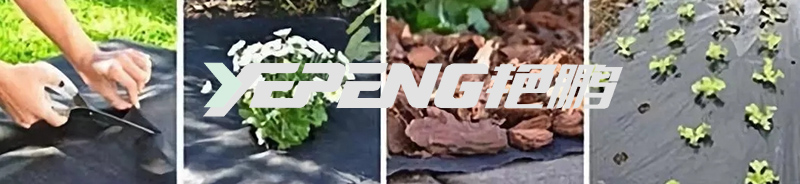
The introduction of non-woven technology in China is not long. At present, the types and specifications of products are less, the price is higher, and the quality is lower than that of foreign similar products. At the same time, the research and promotion of covering technology are not enough, so the promotion area is not large.
However, with the improvement of non-woven production technology and the further improvement of covering technology, agricultural splicing non-woven fabric will be widely used in the development of vegetable Off-season Cultivation.
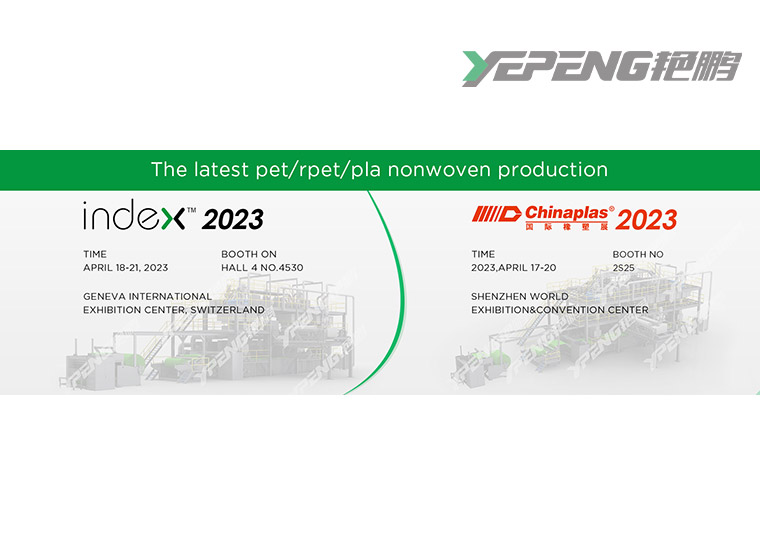
In these two exhibition,we are happy to provide you a turn key solution of nonwoven fabric making project. All the key figures involved in the dynamic field of nonwovens All the geographical regions together in one site
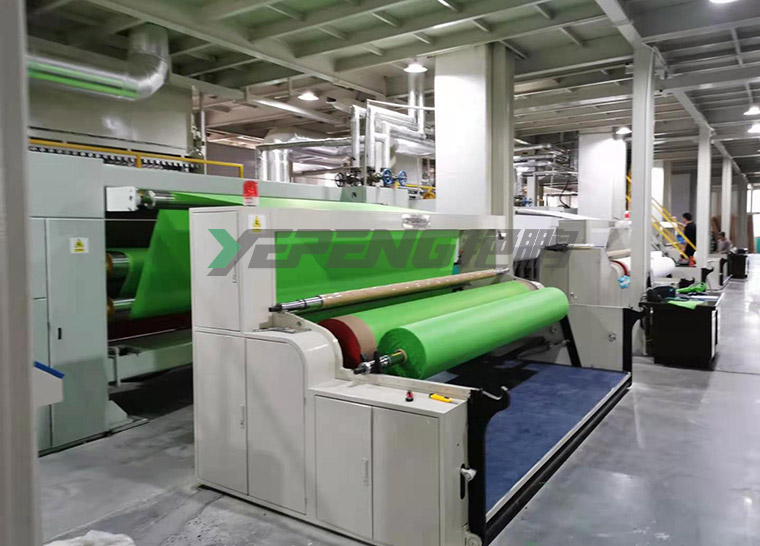
The square meter quality, strength, elongation, hydrostatic pressure, air permeability and width in the technical requirements are factory inspection items The products shall be inspected by the inspection department of the manufacturer and attached with the product certificate before leaving the factory.
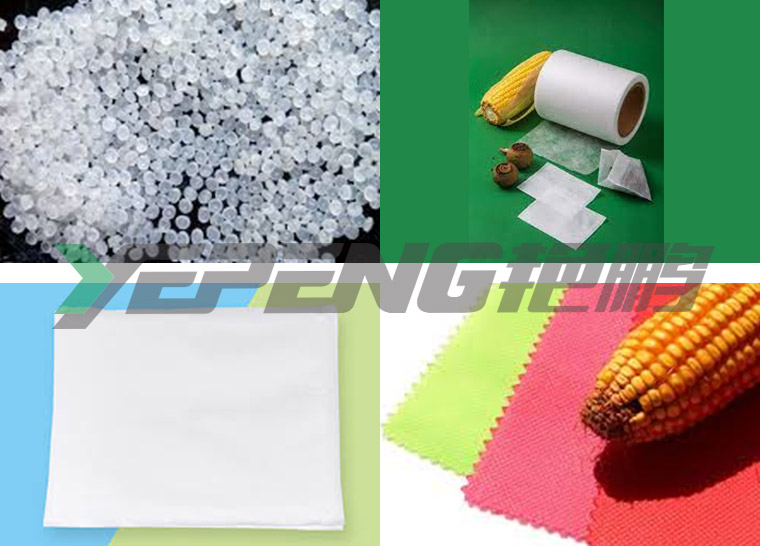
Polylactide, polylactic acid, generally shortened to PLA. PLA biodegradable materials refer to a class of natural microorganisms such as bacteria, molds (fungi) and algae caused by the action of degradation materials.


