 CN
CN
 EN
EN
 DE
DE
 ES
ES
 FR
FR
 IT
IT
 PT
PT
 JA
JA
 KO
KO
 AR
AR


A non woven fabric making machine project is not completed when equipment is selected. Successful production depends on how well the target product, production capacity, factory conditions, installation plan, commissioning process, and operator training are coordinated from the beginning.
For investors, converters, packaging manufacturers, and industrial fabric producers, early project planning helps reduce avoidable delays, improves communication with equipment suppliers, and creates a more stable path from raw material to finished fabric rolls. This guide explains the key decisions to make before starting a nonwoven production project.
The first step is to define what the finished nonwoven fabric must achieve. A production line should be selected around the end-use requirement rather than around a machine name, an advertised speed, or a single output figure.
Begin by identifying the intended application. Typical PP spunbond applications include reusable shopping bags, packaging materials, agricultural covers, furniture lining, mattress fabrics, industrial covers, and composite substrates. Each application can require a different balance of basis weight, tensile strength, softness, appearance, roll width, color, and conversion performance.
| Project Input | Questions to Define | Why It Matters |
|---|---|---|
| End-use application | Will the fabric be used for bags, packaging, agriculture, home textiles, or industrial products? | Determines the required fabric properties and production priorities. |
| Raw material | Will the project use virgin PP, recycled PP, masterbatch, filler, or other additives? | Affects feeding, filtration, process stability, fabric quality, and material cost control. |
| Basis-weight range | What GSM range will be produced? | Influences capacity planning, process settings, and end-use performance. |
| Finished roll requirements | What roll widths, diameters, and winding requirements are needed? | Helps determine working width, slitting strategy, storage, and downstream conversion needs. |
| Output target | What daily or annual production volume is required? | Provides the basis for evaluating capacity, operating time, and expansion plans. |
| Project location | Where will the line be installed? | Supports planning for power standards, logistics, service coordination, and local site conditions. |
Nonwoven production projects differ in their product requirements and market priorities. A single-beam PP spunbond configuration can be a practical starting point for general-purpose fabric applications, while multi-beam spunbond and spunmelt configurations may be considered when the project requires higher capacity, different web structures, or specialized hygiene and barrier performance.
The goal is not simply to select the most complex configuration. The goal is to select a configuration that fits the intended product, available investment, factory conditions, expected market demand, and future expansion plan.
| Project Requirement | Configuration Direction to Evaluate | Key Decision Factors |
|---|---|---|
| General packaging, shopping bags, agricultural covers, or industrial fabrics | Single-beam PP spunbond | Target GSM, fabric strength, investment pacing, working width, and product range. |
| Higher-volume general-purpose PP spunbond production | Double-beam spunbond | Capacity target, market volume, fabric consistency, and growth planning. |
| Higher-output multi-layer spunbond fabric requirements | Three-beam spunbond | End-use requirements, product positioning, output planning, and fabric structure. |
| Hygiene, medical, filtration, or barrier-material projects | SMS, SMMS, SSMS, or SSMMS spunmelt configurations | Barrier requirements, product standards, market access, and composite-layer performance. |
| Heat-resistant, filtration, or special industrial applications | PET spunbond | Raw-material properties, operating environment, and required finished-fabric performance. |
For projects focused on general-purpose PP spunbond fabric, such as packaging, agricultural, furnishing, and industrial applications, you can review Yanpeng’s YP-S single-beam spunbond line to understand the available working-width and configuration options.
Capacity planning should be based on more than a maximum machine speed. Daily output is affected by effective working width, product GSM, line speed, operating hours, planned downtime, material changes, trimming loss, product changeovers, and overall production efficiency.
A practical capacity estimate can begin with the following formula:
Daily Output (kg) = Working Width (m) × Line Speed (m/min) × GSM (g/m²) × Operating Minutes × Efficiency ÷ 1,000
For example, a project producing a lightweight fabric can operate at a different output level than the same line producing a heavier fabric. A realistic project plan should use conservative operating assumptions instead of relying only on theoretical maximum output.
| Capacity Variable | How It Influences Output |
|---|---|
| Effective working width | A wider web generally increases production area per minute. |
| Fabric GSM | Higher GSM increases kilograms produced per square meter but may require different process conditions. |
| Production speed | Higher speed can increase output when stable quality and process conditions are maintained. |
| Operating time | Shift arrangements, planned maintenance, cleaning, and product changes affect available production minutes. |
| Production efficiency | Material quality, operator experience, maintenance, and process control influence actual output. |
| Trim and waste | Edge trimming, roll changes, start-up material, and off-grade fabric should be included in planning. |
Factory readiness is one of the most important parts of a nonwoven project. Even a well-planned production line can experience installation delays if the building, utilities, lifting access, raw material storage, and finished-goods flow are not prepared in advance.
The production area should be designed around a logical process flow: raw-material receipt, raw-material storage, feeding, fabric production, winding and slitting, inspection, finished-roll storage, and loading. Good material flow reduces unnecessary handling and helps support safer, more efficient daily operations.
| Factory Area or Utility | Planning Consideration |
|---|---|
| Production space | Confirm sufficient length, width, height, maintenance clearance, and access around the equipment. |
| Raw-material storage | Provide dry, organized storage for PP granules, masterbatch, additives, and recycled materials where applicable. |
| Finished-roll storage | Plan protected areas for rolls, inspection, labeling, order preparation, and loading. |
| Electrical supply | Confirm local voltage, frequency, capacity, distribution design, and safe cable-routing requirements. |
| Cooling and compressed air | Prepare the utility systems required for stable line operation and maintenance support. |
| Ventilation and environment | Consider airflow, heat management, dust control, lighting, and worker comfort. |
| Installation access | Confirm unloading, internal transport, lifting equipment, door dimensions, and crane availability before equipment arrival. |
A well-managed project follows a sequence in which each stage supports the next one. Clear communication between the buyer, factory team, equipment supplier, installation personnel, and operators is essential throughout the process.
Finished Fabric Requirement → Raw Material and Product Definition → Capacity and Width Planning → Line Configuration Discussion → Factory Layout and Utility Preparation → Equipment Manufacturing and Delivery Coordination → Installation → Commissioning → Trial Production → Operator Training → Ongoing Technical Support
Before installation begins, the project team should confirm equipment placement, utility connection points, material handling routes, safety requirements, and responsibilities for local preparation. During commissioning, the focus should be on stable operation, process adjustment, fabric quality, roll formation, and operator familiarity with routine checks.
Operator training should not be treated as a final handover step. It is part of the production start-up plan. Operators need to understand the relationship between raw materials, feeding, extrusion, filtration, spinning, drawing, web formation, calender bonding, winding, and slitting.
Training should also cover safety procedures, start-up and shutdown routines, product changeovers, basic quality checks, preventive maintenance, alarm response, cleaning practices, and production recordkeeping. These routines help establish stable operating habits after commissioning.
| Training Area | Operational Goal |
|---|---|
| Process overview | Understand the full production path from PP raw material to finished fabric roll. |
| Start-up and shutdown | Operate the line in a safe and controlled sequence. |
| Quality monitoring | Identify GSM variation, web-uniformity issues, roll defects, and strength-related concerns. |
| Routine maintenance | Complete regular inspections and recognize early warning signs before unplanned downtime occurs. |
| Production records | Track material batches, operating conditions, output, quality results, and maintenance actions. |
A complete project brief helps suppliers provide more relevant technical recommendations. It also makes it easier to compare different proposals on the same basis rather than comparing incomplete quotations or headline production figures.
| Information to Prepare | Example Details |
|---|---|
| Target product | Shopping bag fabric, agricultural cover, furniture lining, mattress fabric, or industrial cover. |
| Required material | Virgin PP, recycled PP content, masterbatch, filler, and required colors. |
| Fabric specifications | GSM range, required strength, softness, appearance, and finished roll width. |
| Capacity requirement | Expected daily output, annual volume, number of shifts, and future expansion target. |
| Factory information | Building dimensions, available height, utility conditions, lifting access, and storage space. |
| Location and standards | Destination country, electrical standard, import conditions, and local safety requirements. |
| Project schedule | Planned factory readiness date, desired installation period, and target production start date. |
If your project involves PP spunbond fabric for packaging, agriculture, home furnishing, or industrial use, you can explore the YP-S single-beam spunbond line and discuss your project requirements. A project-focused discussion is more useful when it begins with the finished-fabric objective, expected capacity, and factory conditions.
Prepare information about the finished fabric application, target GSM, roll width, capacity target, raw materials, factory dimensions, available utilities, destination country, and expected project schedule. This information helps create a more relevant equipment and implementation plan.
A single-beam PP spunbond configuration is commonly evaluated for general-purpose applications such as packaging, shopping bags, agricultural covers, home furnishing materials, and industrial fabrics. The right configuration depends on fabric requirements, output targets, investment planning, and future business development.
Electrical capacity, cooling, compressed air, ventilation, access for unloading, lifting equipment, and maintenance space all affect installation timing and stable operation. Checking these conditions early helps prevent avoidable delays after the equipment arrives.
Operators should learn safe start-up and shutdown procedures, basic process control, quality checks, material handling, routine maintenance, alarm response, recordkeeping, and practical methods for identifying abnormal production conditions.
A nonwoven project creates long-term value when planning continues beyond the equipment-delivery stage. Defining the finished fabric, matching the line configuration to the project, preparing the factory, establishing operating procedures, and training the production team all contribute to more stable output and better control of product quality.
For buyers planning PP spunbond production for general-purpose nonwoven applications, view Yanpeng’s YP-S single-beam spunbond production line for product-level information, available configurations, and project consultation.
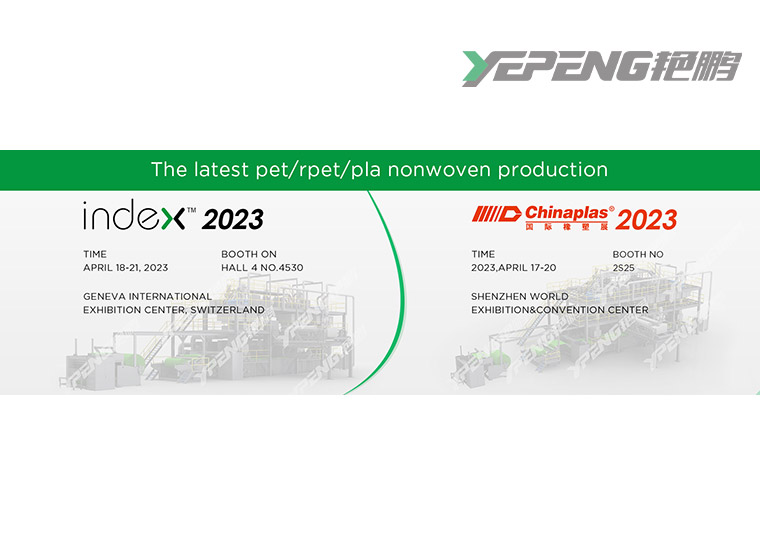
In these two exhibition,we are happy to provide you a turn key solution of nonwoven fabric making project. All the key figures involved in the dynamic field of nonwovens All the geographical regions together in one site
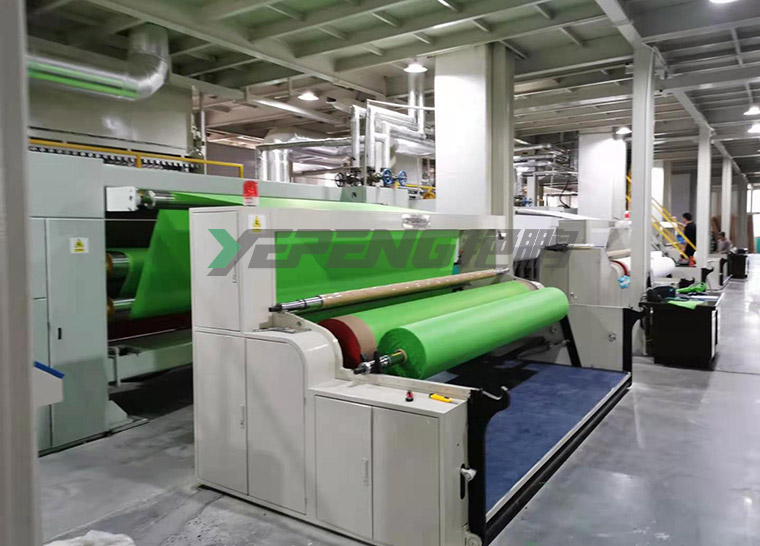
The square meter quality, strength, elongation, hydrostatic pressure, air permeability and width in the technical requirements are factory inspection items The products shall be inspected by the inspection department of the manufacturer and attached with the product certificate before leaving the factory.
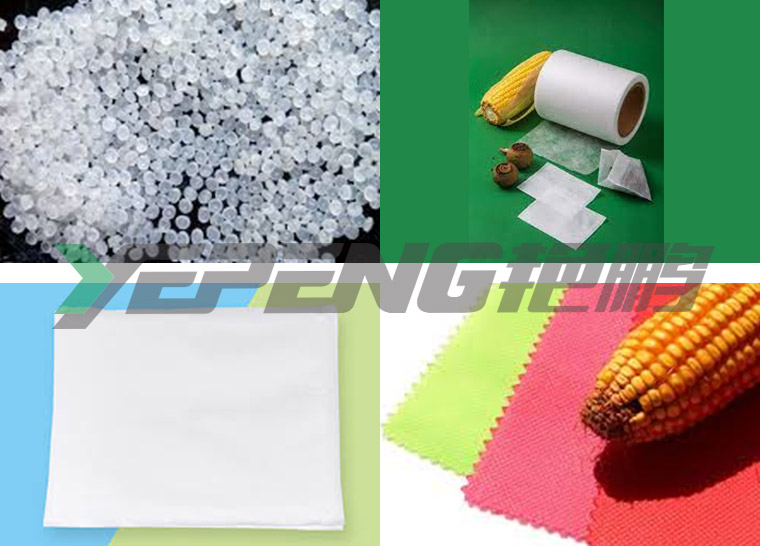
Polylactide, polylactic acid, generally shortened to PLA. PLA biodegradable materials refer to a class of natural microorganisms such as bacteria, molds (fungi) and algae caused by the action of degradation materials.


