Zhejiang Yanpeng Nonwoven Machinery Co., Ltd
we will always dedicate in this career
Characteristics of polypropylene (PP) in non-woven fabric production materials
Dec 31,2021 / View: 3634
Share:
Polypropylene is not only the most commonly used raw material, but also an important polymer fiber raw material. Nearly 94% of the raw materials used in spunbond fabric and melt blown fabric in China are polypropylene.
According to American statistics, polypropylene fiber is more and more widely used in nonwovens, and has largely replaced polyester and viscose fiber.
In the fields of medical treatment, hygiene and health care, the application of polypropylene nonwoven fabric accounts for 50% of the total nonwoven fabric industry.

Polypropylene fiber is different from other synthetic fibers in two aspects: first, its moisture absorption is very low, which makes polypropylene fiber have excellent stain resistance and almost the same dry and wet characteristics.Second, it has the smallest density of all fibers, which makes it have better coverage under the same weight.

The basic properties of polypropylene fiber are as follows:
Very low density (0.91g/cm) ³); Low moisture content (less than 0.1%); good chemical resistance (acid, alkali and solvent); good thermal insulation, thermal insulation and performance insulation; high stiffness and good tensile strength (4.5 ~ 7.5cn / dtex); good fatigue resistance and wear resistance.
At the same time, the hydrocarbon structure of its fiber (lacking any polarity) makes it have high water repellency, so it can prevent contamination caused by polar materials. For nonwoven fabric, this characteristic can also be changed through appropriate post-treatment, so that PP nonwoven fabric have hydrophilicity or other special properties.

Due to the non-ionic chemical properties of polypropylene fiber, it is difficult to dye by ordinary process.
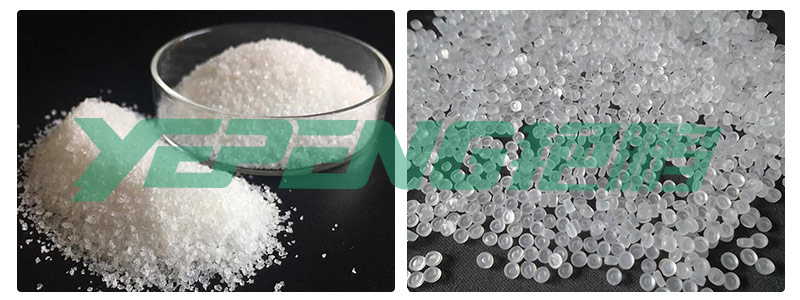
Therefore, PP nonwovens are dyed by melt dyeing process, that is, color masterbatch is mixed into polymer chip raw materials to dye melt blended yarn.
In addition to product dyeing, functional masterbatch can also be added to the melt to make the product have specific functions. Generally, the degradation caused by light (UV) will lead to the defects of PP nonwoven fabric, such as fading, brittleness, decline of mechanical strength and so on.
Anti aging agents can be used to reduce the impact of ultraviolet radiation on products and extend the effective use time of products.

Zhejiang Yanpeng Nonwoven Machinery Co.,Ltd is a professional manufacturer of nonwoven fabric production line which engaged in development and production for many years. Our company has focused on making nonwoven production line since 2008, We can provide customized single S, SS ,SSS spunbond nonwoven production line,SSMS, SMMS SMS spunmelt (spunbond & meltblown) production lines,and other PP,PET/PLA, BiCo spunbond production line to our customers.  Yanpeng people will continue to be dedicated to the development of non-woven equipment and related products.We sincerely want to return our customers with cost-effective products and best service.  Our polypropylene(PP) spunbond nonwoven equipment is constantly updated after years of production practice, which makes the design of non-woven fabric production line more perfect and the operation easier.Our equipment is constantly improving. Our equipment is constantly improving, under the premise of complete specifications, superior performance, excellent quality and beautiful color, it can also add recycled material and filling to reduce the cost of products.

Recently Viewed Items

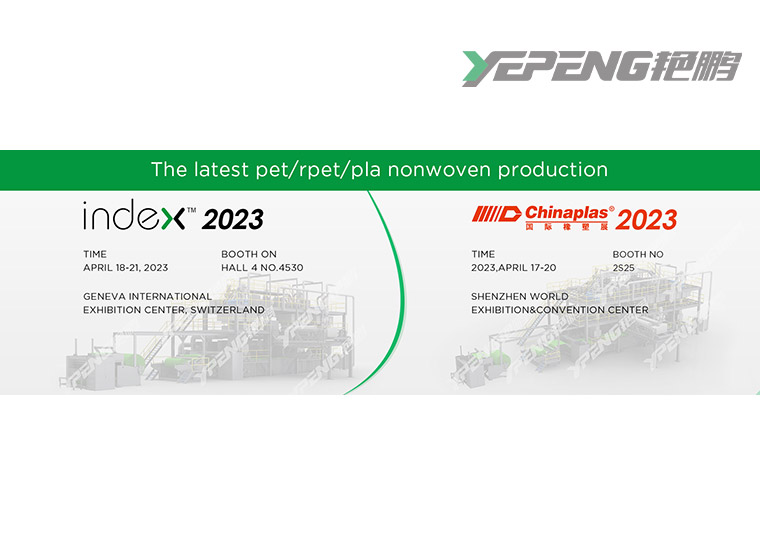
Zhejiang Yanpeng Nonwoven Machinery Co.,ltd exhibition events on April 2023

Zhejiang Yanpeng Nonwoven Machinery Co.,ltd exhibition events on April 2023

In these two exhibition,we are happy to provide you a turn key solution of nonwoven fabric making project. All the key figures involved in the dynamic field of nonwovens All the geographical regions together in one site
Details
Inspection and acceptance rules and provisions on packaging, marking, transportation and storage

Inspection and acceptance rules and provisions on packaging, marking, transportation and storage

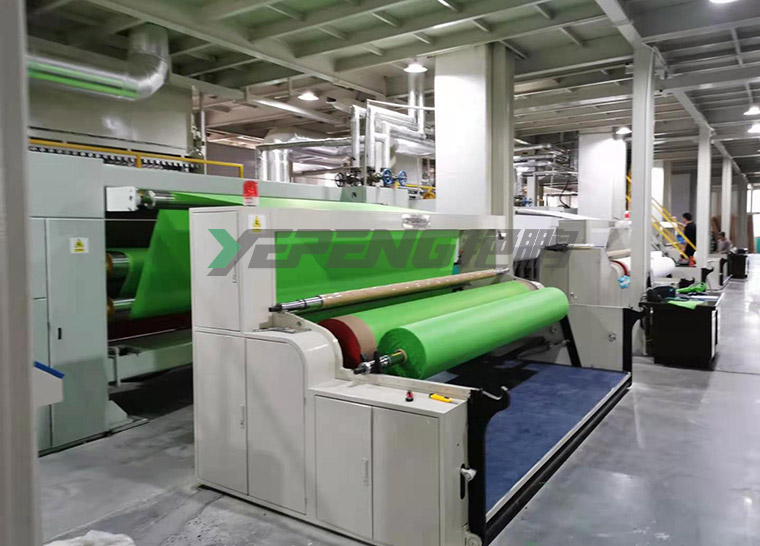
The square meter quality, strength, elongation, hydrostatic pressure, air permeability and width in the technical requirements are factory inspection items The products shall be inspected by the inspection department of the manufacturer and attached with the product certificate before leaving the factory.
Details
What is PLA?

What is PLA?

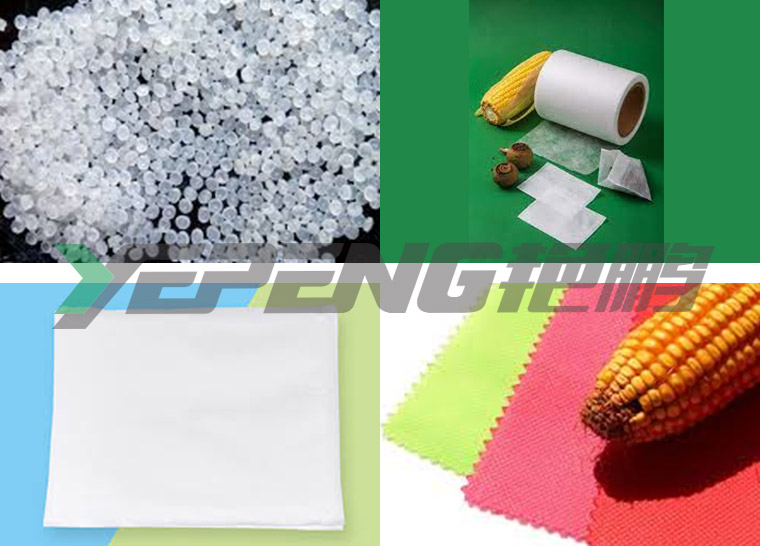
Polylactide, polylactic acid, generally shortened to PLA. PLA biodegradable materials refer to a class of natural microorganisms such as bacteria, molds (fungi) and algae caused by the action of degradation materials.

Details
Read More

Please Leave
us a
Message
Home
Products
WhatsApp
Contact

Go Top

Get in touch
Looking for support or a quote? We are here for you! Please fill out the form below and we will get back to you as soon as possible!
*
*
*
*
*
Fields marked with * are required